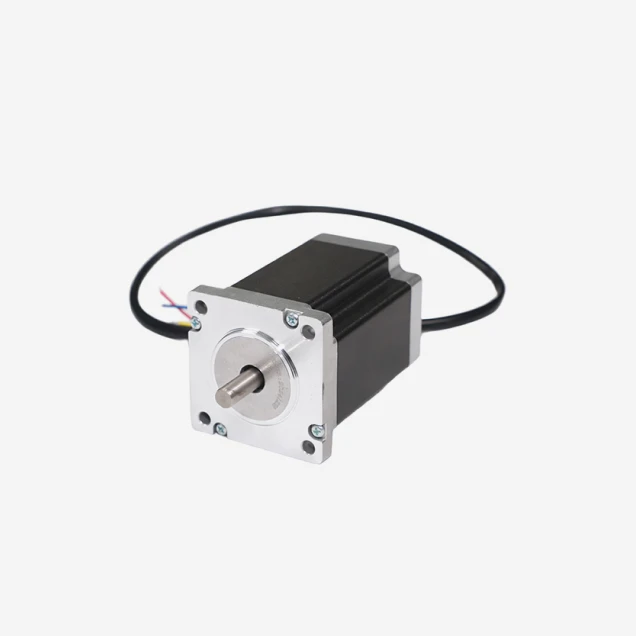
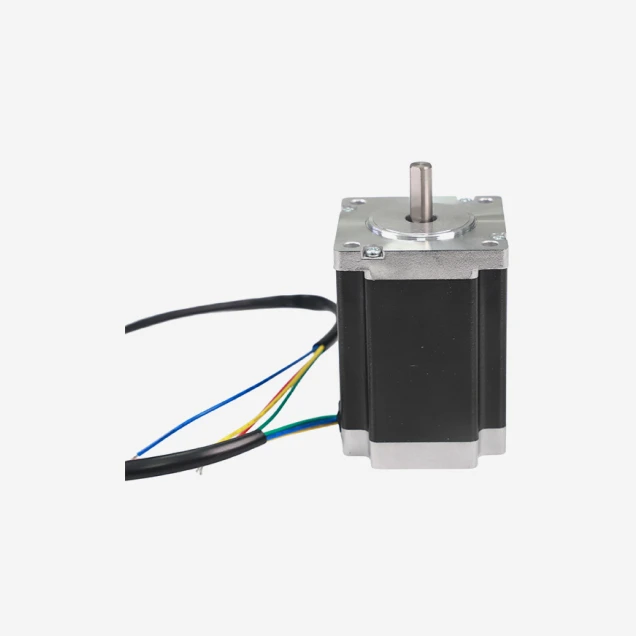
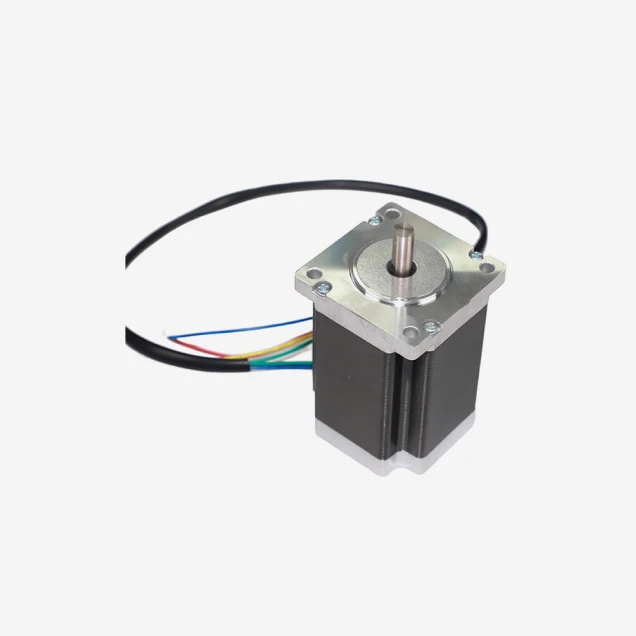
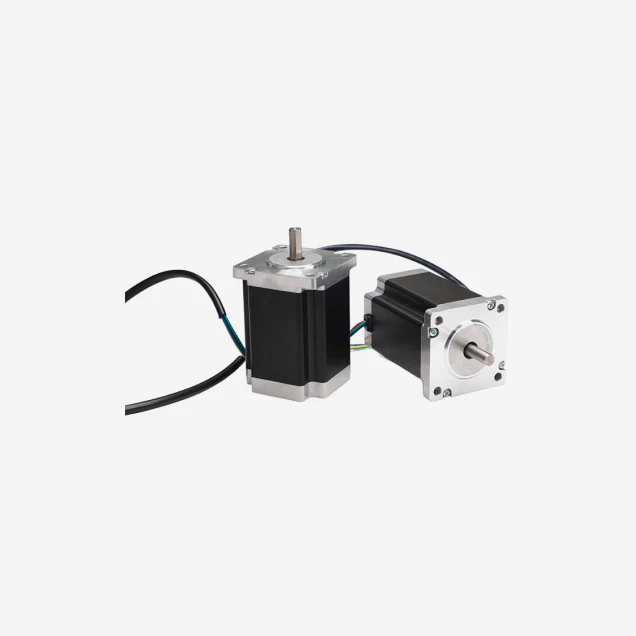
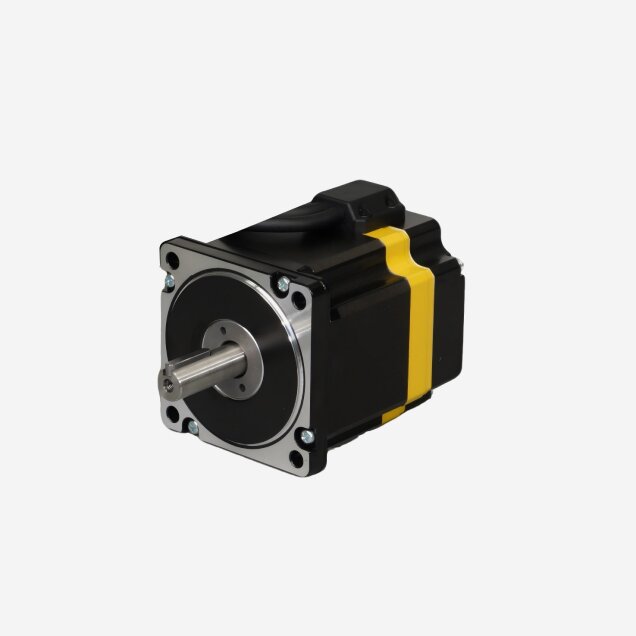
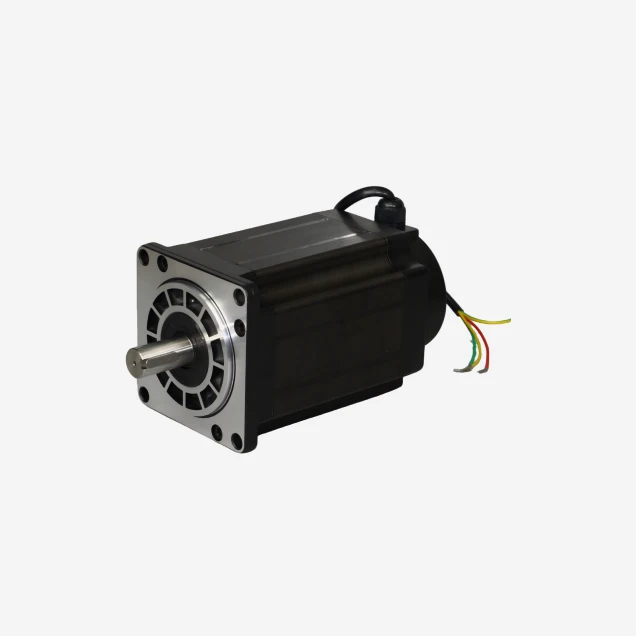
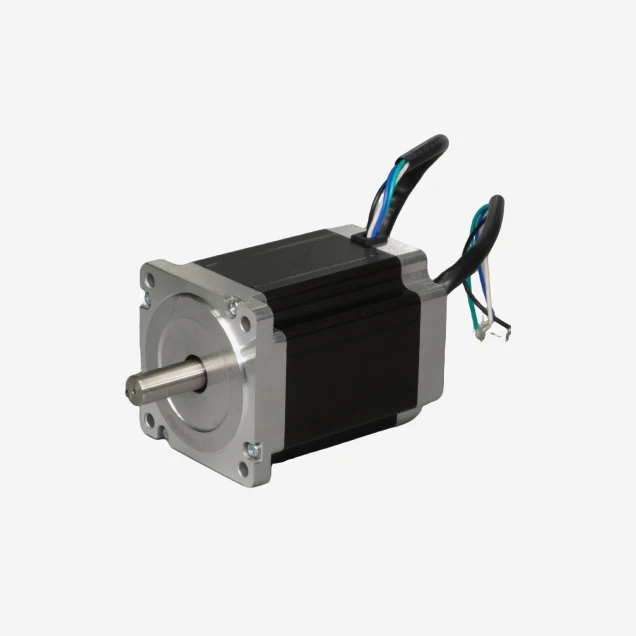
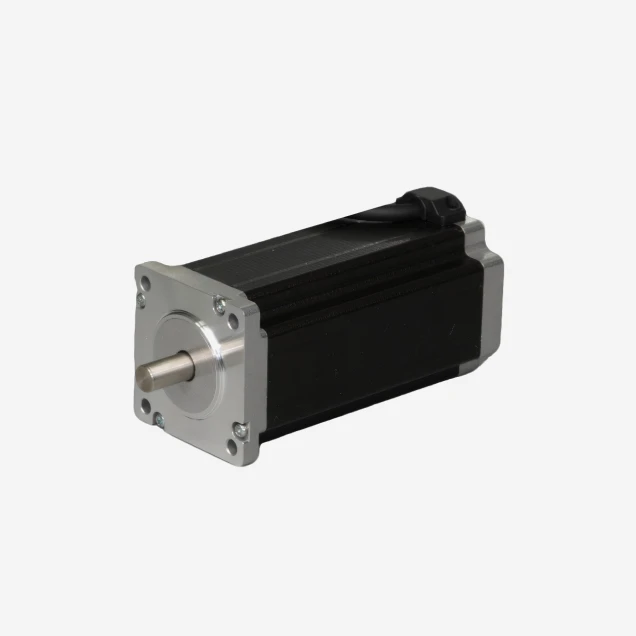
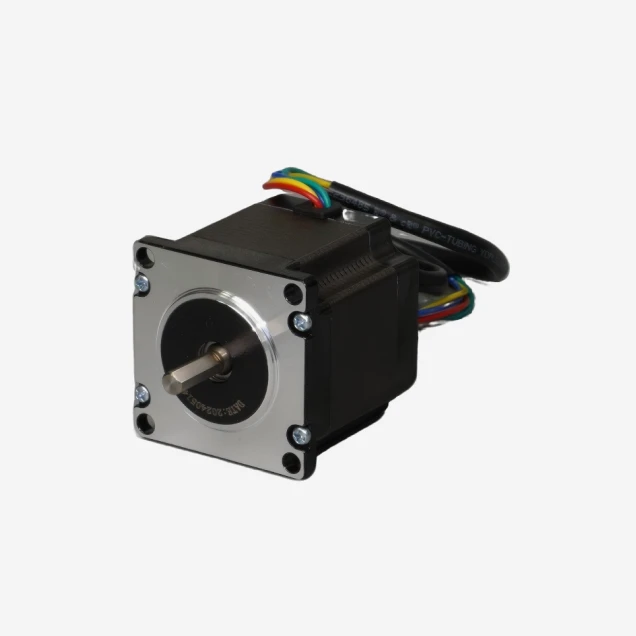
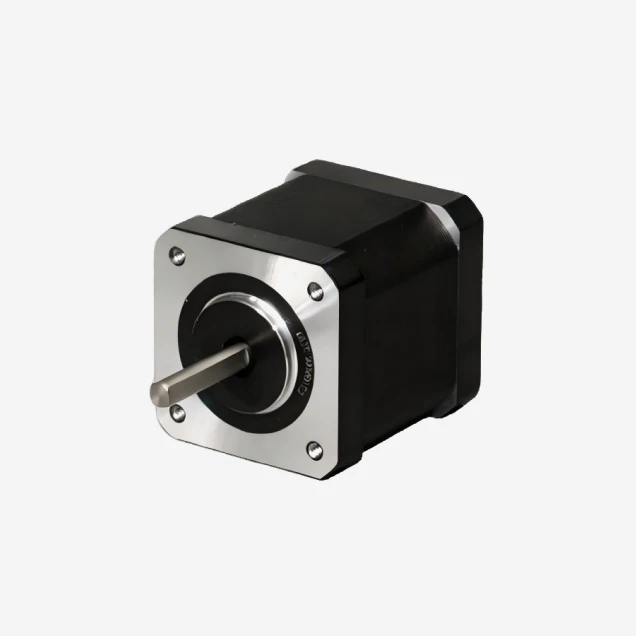
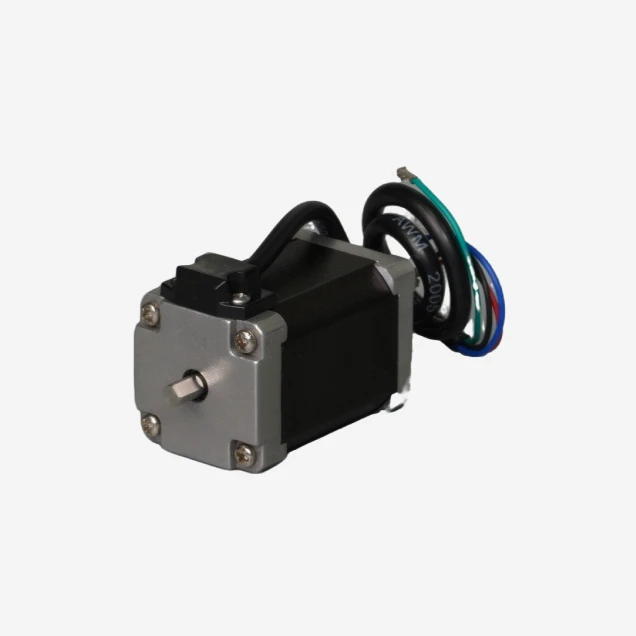
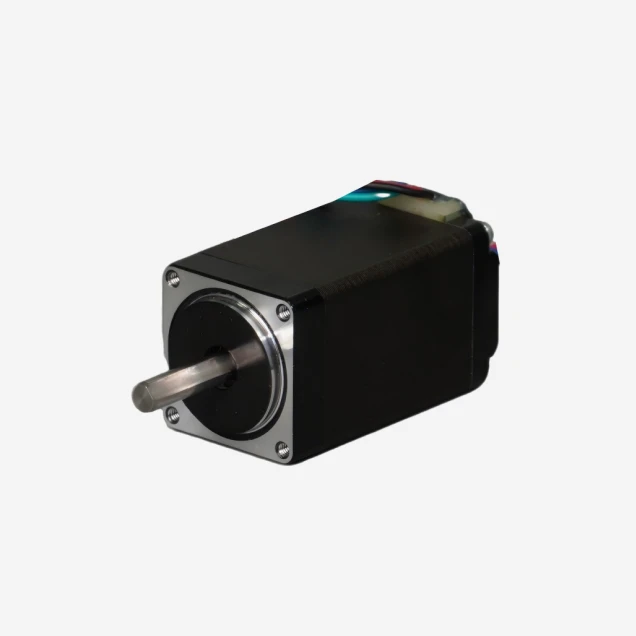
NEMA 24 Stepper Motor: Extra Torque in a 60mm Frame
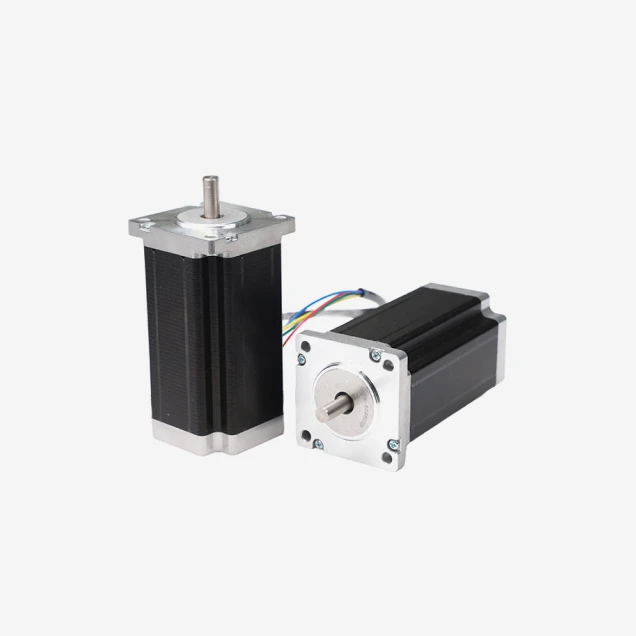
The NEMA 24 stepper motor sits between the popular NEMA 23 and the heavy NEMA 34. With a 60mm × 60mm faceplate — only 3mm larger than NEMA 23 — it carries a bigger rotor and delivers more torque, which makes it a smart pick when a NEMA 23 is just short on power but a NEMA 34 would be oversized. A 2-phase NEMA 24 hybrid stepper motor delivers holding torque from about 2.0 N·m up to 4.0 N·m depending on body length, at a 1.8° step angle. The NEMA 24 size is fixed at a 60mm faceplate, with body length the main variable that sets torque.
Key Specifications at a Glance
| Parameter | Specification |
|---|
| Frame Size | 60 × 60 mm |
| Step Angle | 1.8° (200 steps/rev), 0.9° optional |
| Phase | 2-phase (bipolar) |
| Holding Torque | 2.0–4.0 N·m |
| Rated Current | 3.0–4.0 A/phase |
| Body Length | 56–99 mm (varies by model) |
| Shaft | 8mm or 10mm standard |
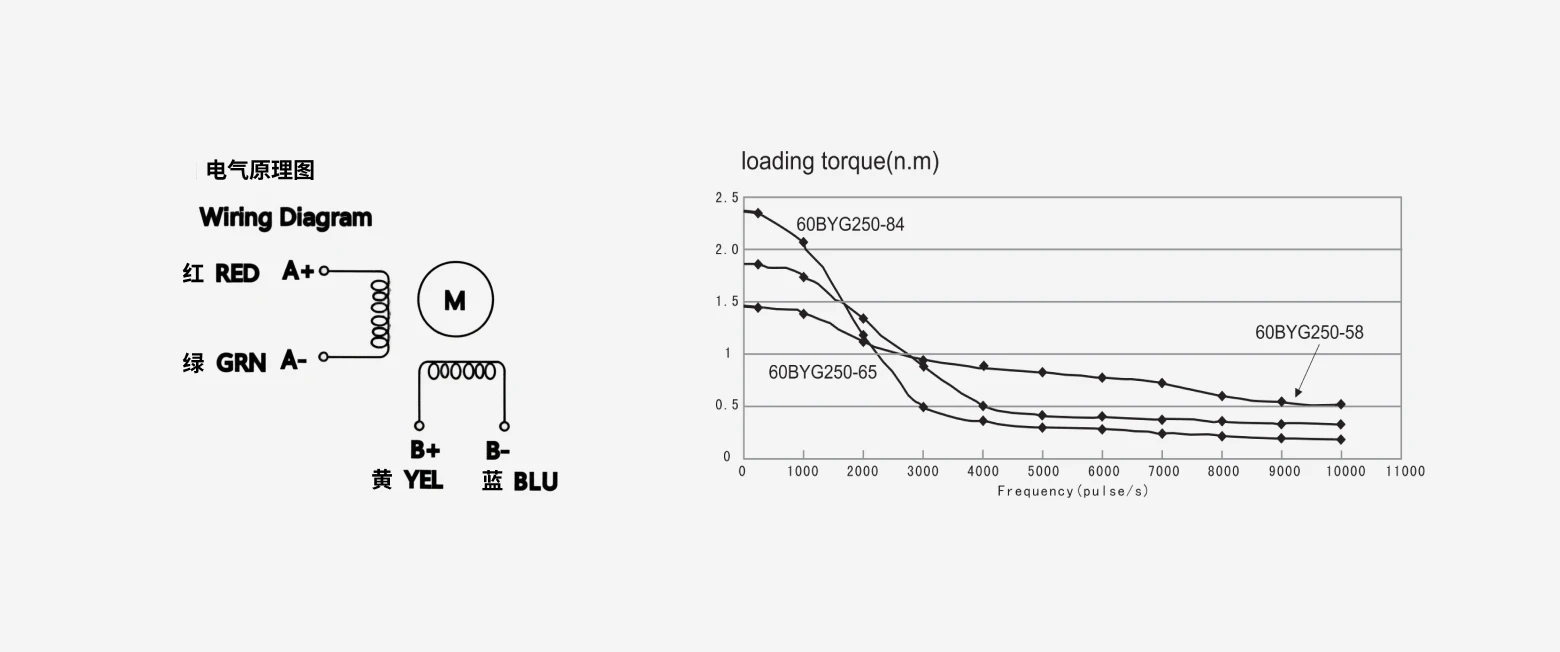
| Lead Wires | 4-wire or 6-wire
|
Typical Applications
NEMA 24 suits machines that need more torque than a NEMA 23 without the size and weight of a NEMA 34. Common applications include:
- CNC routers and mills — higher-torque axes on mid-size machines.
- Laser and plasma cutters — gantry and table drive.
- Automation — heavier conveyors, indexing tables, and feeders.
- Robotics — joint and base drive where NEMA 23 runs short on torque.
- Material handling — winders, dispensers, and lift mechanisms.
- Packaging — high-throughput indexing and positioning.
With a NEMA 24 gearbox the same frame drives a linear actuator or a low-speed, high-torque axis; a dual-shaft version adds a rear shaft for an encoder or a second load.
NEMA 24 vs NEMA 34: Which One Do You Need?
The next size up from NEMA 24 is NEMA 34 (86mm × 86mm). Here is a quick comparison:
| NEMA 24 (60mm) | NEMA 34 (86mm) |
|---|
| Faceplate | 60 × 60 mm | 86 × 86 mm |
| Max Holding Torque | ~4 N·m | ~12 N·m |
| Weight | 0.7–1.3 kg | 1.8–4 kg |
| Best For | Mid-torque CNC and automation | Heavy CNC, high-torque axes |
If your load needs more than about 4 N·m, move up to NEMA 34. If you need a touch more torque than NEMA 23 in a compact frame, NEMA 24 is the right fit.
Customization Options
Cymotorix NEMA 24 stepper motors can be customized for OEM integration. As a NEMA 24 stepper motor manufacturer and supplier, we produce them to your specification. Common modifications include:
- Shaft diameter and length adjustment (standard shaft is 8mm or 10mm)
- D-cut or flat shaft for direct coupling
- Dual-shaft output for a rear encoder or second load
- Custom lead wire length and connector type (JST, Molex, bare leads)
- Winding parameters modified to match your driver voltage and current
- 0.9° step angle for finer resolution
- Rear-shaft extension for encoder mounting
- Planetary or worm gearbox integration for higher output torque at low speed
How to Drive a NEMA 24 Stepper Motor
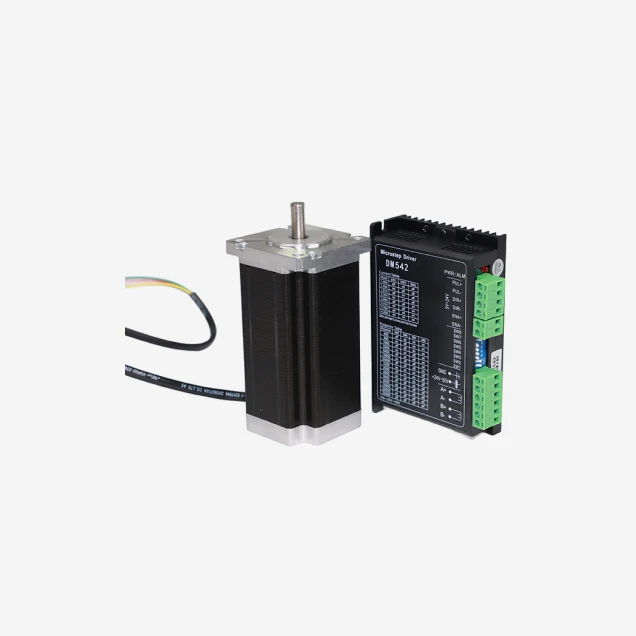
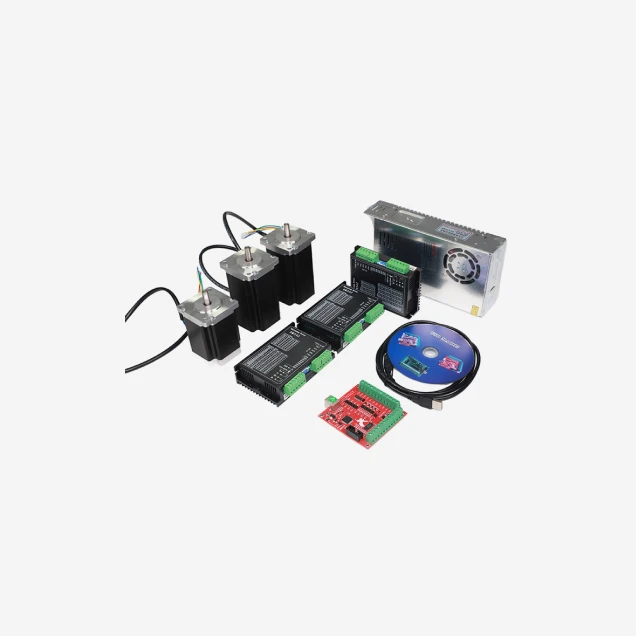
NEMA 24 motors are 2-phase bipolar steppers, so they run on any standard 2-phase stepper driver. Rated current is around 3.0 to 4.0 A per phase, so a high-current microstepping driver with current regulation is needed. We can supply a driver matched and set to the motor if you want the pair tested together.
Recommended supply voltage is 24–48VDC. A higher bus voltage holds torque better at speed, which matters on CNC axes. Set the driver's current limit to the motor's rated current so the windings don't overheat.