search
Search

Enter keywords to search for products, blog posts, and more.

motor-drivers

motor-drivers

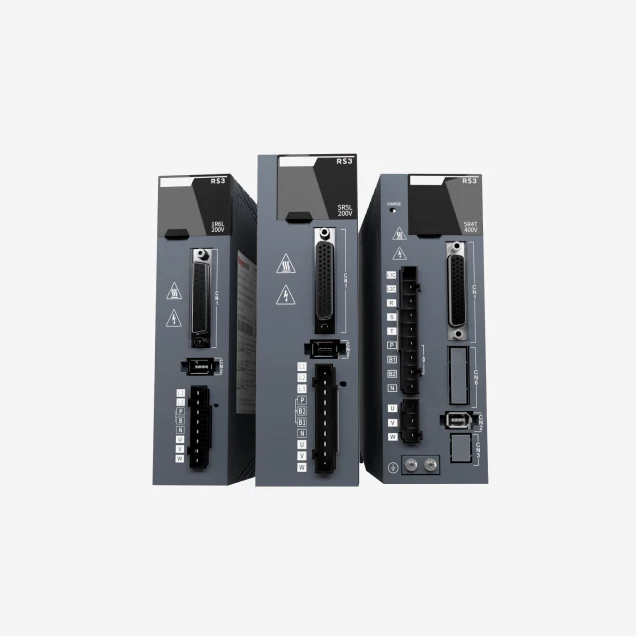
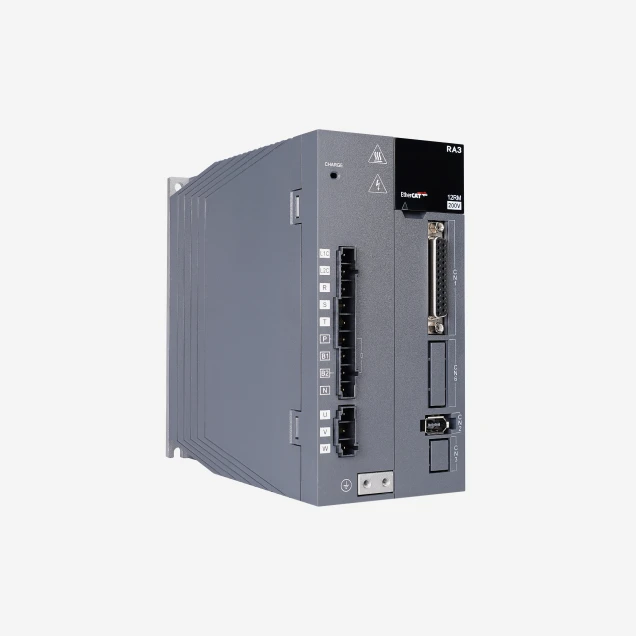
Motor Drivers

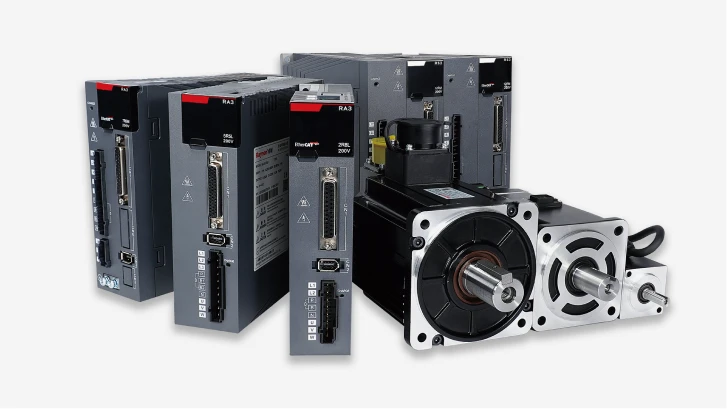
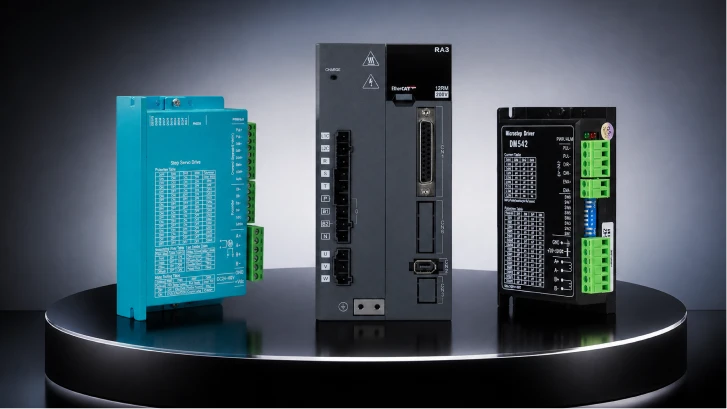
Cymotorix, a China motor driver manufacturer and supplier, provides motor drivers matched to our own motor range — stepper motor drivers for the 2-phase, 3-phase, and closed-loop lines, and servo motor drivers for the AC servo range. The point of buying the driver with the motor is that we size and tune the pair before it ships: drive current, microstepping, and gain settings are set up for the specific motor, so you get a working set rather than two parts to commission. Stepper drivers support selectable microstepping for smooth low-speed motion; servo drives run position, speed, and torque modes over pulse or bus communication. The sections below break the range down by driver type.

Stepper & Servo Drives

Stepper motor drivers and servo drives matched to our full motor range, from NEMA 8 steppers to 5.5kW AC servos.


Matched to Our Motors

Microstepping support for smooth low-speed motion, with switch- or software-selectable step resolutions on the stepper line.


Microstepping Support

Servo drives run position, speed, and torque modes, with pulse/direction, RS485, CANopen, or EtherCAT communication.


Tested as a Set

Stepper motor and driver, or servo and drive, supplied and tested as a set, so current, microstepping, and tuning are sorted before delivery.


Tested as a Set by Type


We build three main types of stepper motors — 2-phase, 3-phase, and closed loop. The 2-phase hybrid is our highest-volume product, covering NEMA 8 through NEMA 42. If your application needs lower vibration at higher speeds, go with 3-phase. If you need position feedback and anti-lost-step protection, the closed loop series is the right fit.

Specifications

Stepper DriverClosed Loop DriverServo Drive
CONTROLOpen loopClosed loop (encoder)Closed loop (encoder)
DRIVES2/3-phase steppersClosed loop steppersAC servo motors
STEP / MICROSTEPYes, selectableYes, with feedbackContinuous
MODESPulse/directionPulse/directionPosition / speed / torque
BEST FORLow-cost positioningAnti-lost-stepHigh speed, high dynamics


What a Motor Driver Does

A motor driver is the power stage between your controller and the motor — it takes the low-power step/direction or command signal and switches the high current the motor actually needs. We build our drivers to match our motors, so the current rating, microstepping, and control mode are already right for the motor you pair them with. For a stepper, the driver chops current into the two or three phases in sequence; for a servo, the drive closes the loop around the encoder.

· Stepper drivers for 2-phase, 3-phase, and closed-loop motors
· Servo drives and brushless motor drivers for the AC servo range, up to 5.5kW
· Microstepping on the stepper line for smooth low-speed motion
· Matched and tuned to the motor before shipping


Matching Driver to Motor

We size each driver to its motor. As a rule the driver's output current should run at least 1.4 times the motor's rated phase current, and the bus voltage should sit well above the motor's rated voltage to hold torque at speed. Getting this pairing right is the difference between a motor that runs smooth and cool and one that stalls or overheats — which is why we set it before the set ships.

· Drive current matched to motor rated current with headroom
· Bus voltage chosen to hold high-speed torque
· Microstepping set for the smoothest motion the motor allows
· Over-current, over-voltage, and over-temperature protection


Driver Types

The stepper line covers our 2-phase and 3-phase motors, plus a closed-loop driver for the encoder-equipped closed loop stepper range. Microstepping is switch- or software-selectable so you can trade resolution against torque. The servo drives pair with our AC servo motors and run the full set of control modes.

· Open-loop stepper driver: pulse/direction, selectable microstepping
· Closed loop stepper driver: reads the encoder, corrects lost steps
· Servo drive: position, speed, torque modes
· Communication: pulse/direction, RS485, CANopen, EtherCAT


Supplied as a Tested Set

We supply the driver with its matched motor as a tested set. Before shipping we set drive current, microstepping (steppers) or commutation and gain (servos), and confirm the pair runs clean. That removes the guesswork of pairing a third-party driver and the risk of mismatched current or voltage.

· Current and microstepping set per motor
· Servo commutation, gain, and inertia matching pre-tuned
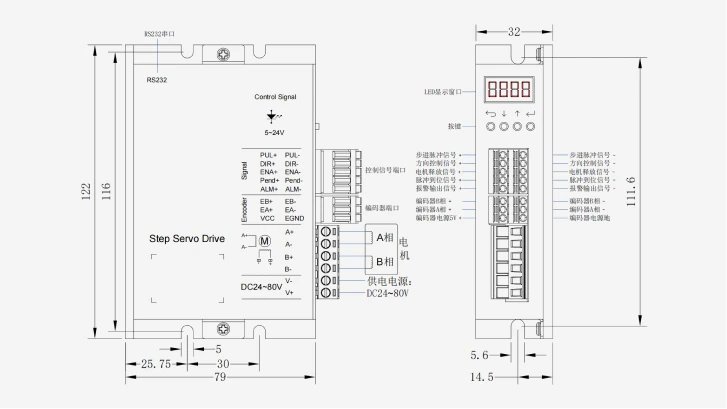
· Wiring diagram and pinout shipped with the set
· Custom communication or voltage on request

About Cymotorix

Stepper motor and servo motor manufacturer in Changzhou, China since 2004. We run 5 production lines with annual output over 1,000,000 motors, serving OEM customers in 30+ countries.

About Us facility Solutions Certifications

FAQs

What does a motor driver do?

A motor driver is the power electronics between the controller and the motor. The controller sends a low-power signal — step/direction pulses for a stepper, or a position/speed/torque command for a servo — and the driver switches the high current the motor needs to follow it. Without the right driver, a motor can't run: the driver sets the current, the step resolution, and (on a servo) closes the feedback loop. We build our stepper motor drivers and servo drives to match our motors so the pairing is correct out of the box.

How do I match a stepper motor driver to the motor?

Two numbers matter most. The driver's rated output current should be at least 1.4 times the motor's rated phase current, so it can deliver peak torque without clipping. And the bus voltage should sit well above the motor's rated voltage — higher voltage holds torque as speed rises. Match those, set the microstepping, and the motor runs smooth and cool. We do this pairing for you when you buy the motor and driver together.

What is the difference between a stepper driver and a servo drive?

A stepper driver runs a stepper open loop — it pulses current into the phases in sequence, with no feedback, and the rotor follows. A servo drive runs a servo closed loop — it reads the encoder and adjusts current every cycle to track position, speed, or torque. Steppers and stepper drivers cost less and hold position well at low speed; servos and servo drives handle high speed and dynamic loads. A closed-loop stepper driver sits between the two, adding encoder correction to a stepper.

What is microstepping and why does it matter?

Microstepping divides each full step into smaller increments by shaping the phase current into a finer sinusoid. It gives smoother motion and less vibration, especially at low speed, and higher apparent resolution. The trade-off is that micro- and half-stepping deliver roughly 30% less torque than full step, so it's a resolution-versus-torque choice. Our stepper drivers offer selectable microstepping so you can tune that balance for your application.

What communication does your servo drive support?

Our servo drives support pulse/direction for simple step-style control, plus RS485, CANopen, and EtherCAT for bus-based motion systems, depending on the model. They run position, speed, and torque modes, with adjustable electronic gear ratio, gain, and inertia matching. Tell us your controller and protocol and we'll confirm the right drive.

Do the motor and driver come matched?

Yes — that's the main reason to buy them together. We size the driver to the motor, set drive current and microstepping (steppers) or commutation, gain, and inertia matching (servos), and test the pair before it ships. You get a working motor-and-driver set with a wiring diagram, not two parts to commission yourself.

Motor Drivers: Stepper Drivers, Servo Drives, and How to Match Them

A working reference for engineers and procurement teams pairing a driver with a stepper or servo motor. It covers what a driver does, how to match it to the motor, the difference between stepper drivers and servo drives, and why microstepping and bus voltage matter.

What a Motor Driver Does

A motor driver — sometimes called a stepper drive or servo drive — is the power stage that sits between the controller and the motor. The controller can only put out a low-power logic signal; the motor needs amps. The driver bridges that: it reads the command and switches the right current into the motor windings at the right time. For a stepper, that means pulsing current into the phases in the correct sequence so the rotor steps. For a servo, it means closing a loop around the encoder and adjusting current every cycle. Pick the wrong driver and the motor either won't run or runs badly — which is why we build ours to match our motors.

Matching a Driver to a Motor

This is where most pairing problems start. Two specs decide whether a motor runs well:

  • Current: the driver's output current should be at least 1.4 times the motor's rated phase current. Too little and you lose peak torque; the driver should also let you set current down to control heat.
  • Voltage: the bus voltage should sit well above the motor's rated voltage. A stepper's winding is inductive, so current rises slowly — a higher bus voltage forces current in faster and holds torque as speed climbs. As a rough rule, a supply-to-motor voltage ratio around 8:1 gives good high-speed performance.

When you buy the motor and driver from us as a set, we set both of these and the microstepping for you, so the pair is matched before it arrives.

Stepper Driver vs Servo Drive

Stepper DriverServo Drive
ControlOpen loop (or closed with encoder)Closed loop, always
FeedbackNone / encoder on closed loopEncoder
Control signalPulse / directionPulse or bus, multi-mode
Best speed rangeLow to midMid to high
CostLowerHigher

Match the driver to the motor type: a stepper driver for a stepper, a servo drive for a servo, a closed-loop stepper driver for an encoder-equipped stepper. They are not interchangeable.

Microstepping: Resolution vs Torque

Microstepping shapes the phase current into a finer sinusoid, splitting each full step into smaller ones. The payoff is smoother motion and lower vibration, especially at low speed, plus higher apparent resolution. The cost is torque: micro- and half-stepping give roughly 30% less torque than full step. A couple of practical notes — a high microstep count doesn't guarantee perfectly even increments, and the torque is set by the current, not the microstep number. Our stepper drivers offer selectable microstepping so you can pick the balance that fits the job.

Servo Drive Modes and Communication

A servo drive does more than switch current — it runs the control loop. Ours support three modes: position (follow a commanded angle), speed (hold a commanded rpm), and torque (hold a commanded force). Communication options cover pulse/direction for simple setups and RS485, CANopen, or EtherCAT for networked motion systems. Electronic gear ratio, gain, and inertia matching are adjustable, and because we tune the drive to its servo motor before shipping, commutation and basic gains are already set.

Why Buy Motor and Driver Together

A motor and a driver are one system, not two products. Mismatched current, voltage, or tuning is the most common reason a motion axis underperforms. When you order the pair from us, we handle the matching — current and microstepping for steppers, commutation and gain for servos — and test the set before it leaves. You get a wiring diagram, a known-good pair, and one supplier to call if anything needs adjusting. Send us the motor model or the application and we'll confirm the right driver.

info@cymotorix.com

sales@cymotorix.com

+86 13028840704

WeChat QR Code

Scan to add WeChat