search
Search

Enter keywords to search for products, blog posts, and more.


Home > Ball Screw Servo Motor

Ball Screw Servo Motor

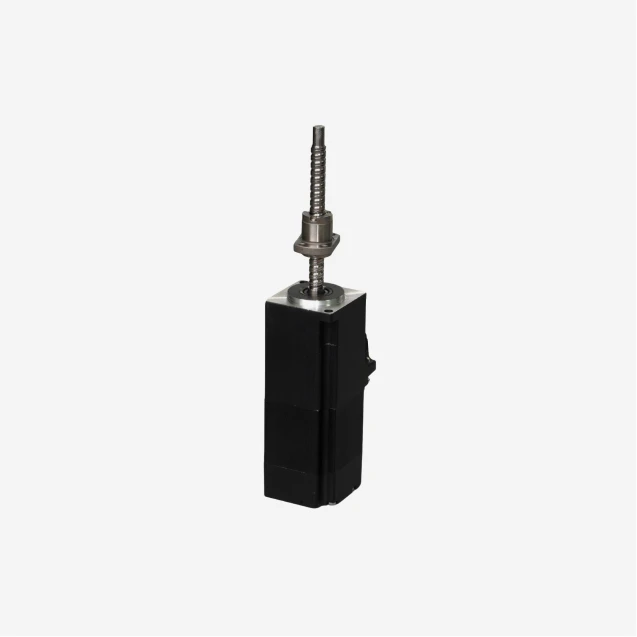
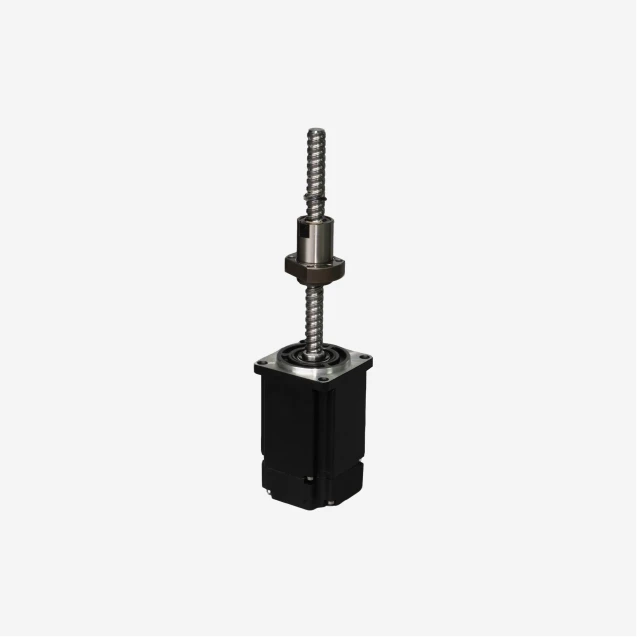
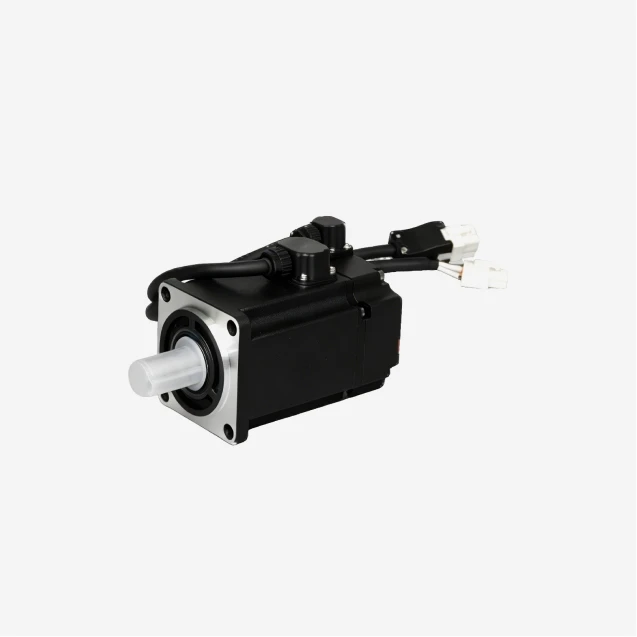
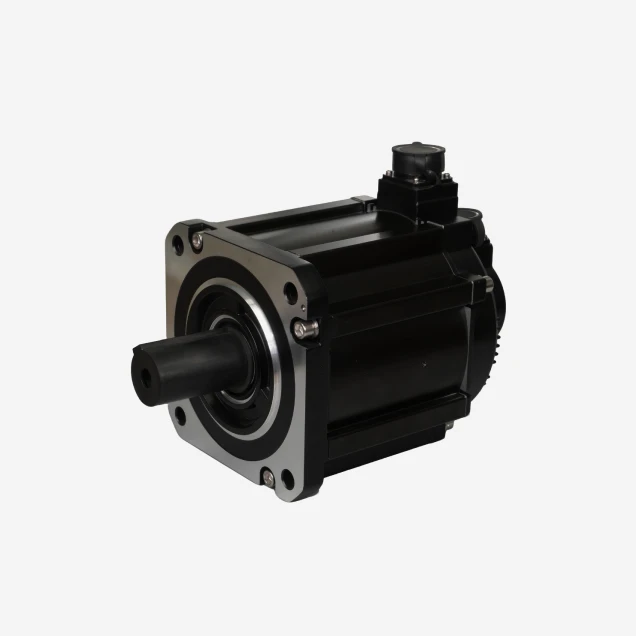
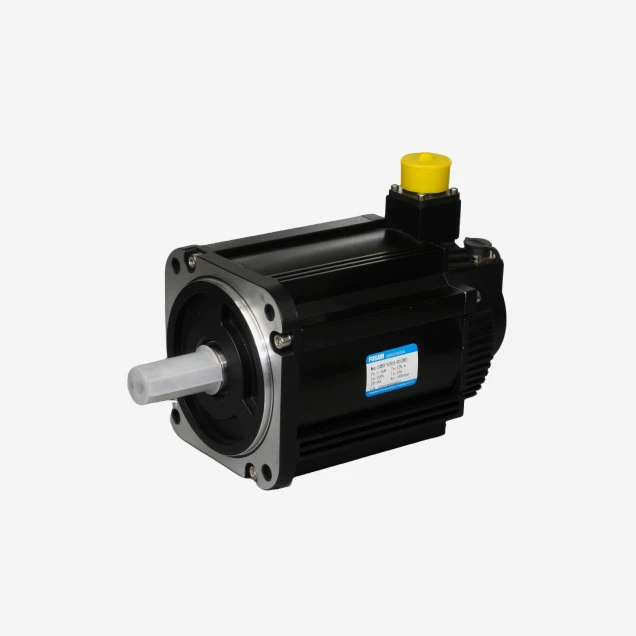
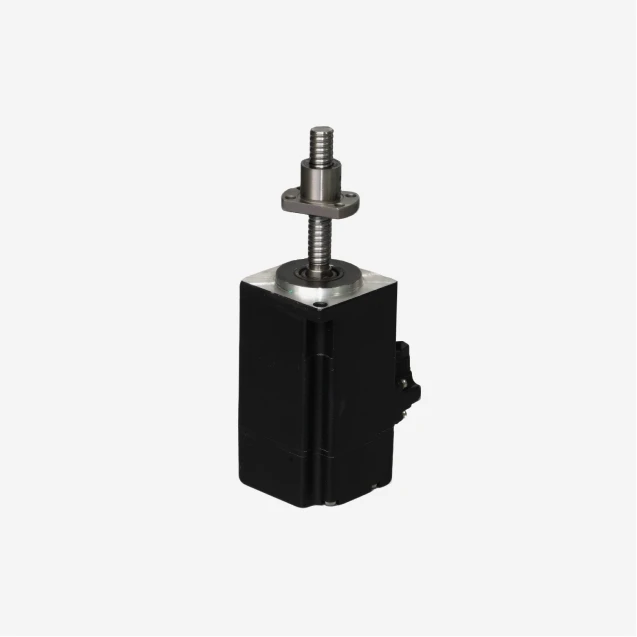
Ball Screw Servo Motor — Integrated Screw AC Servo

General Specifications

ItemSpecifications
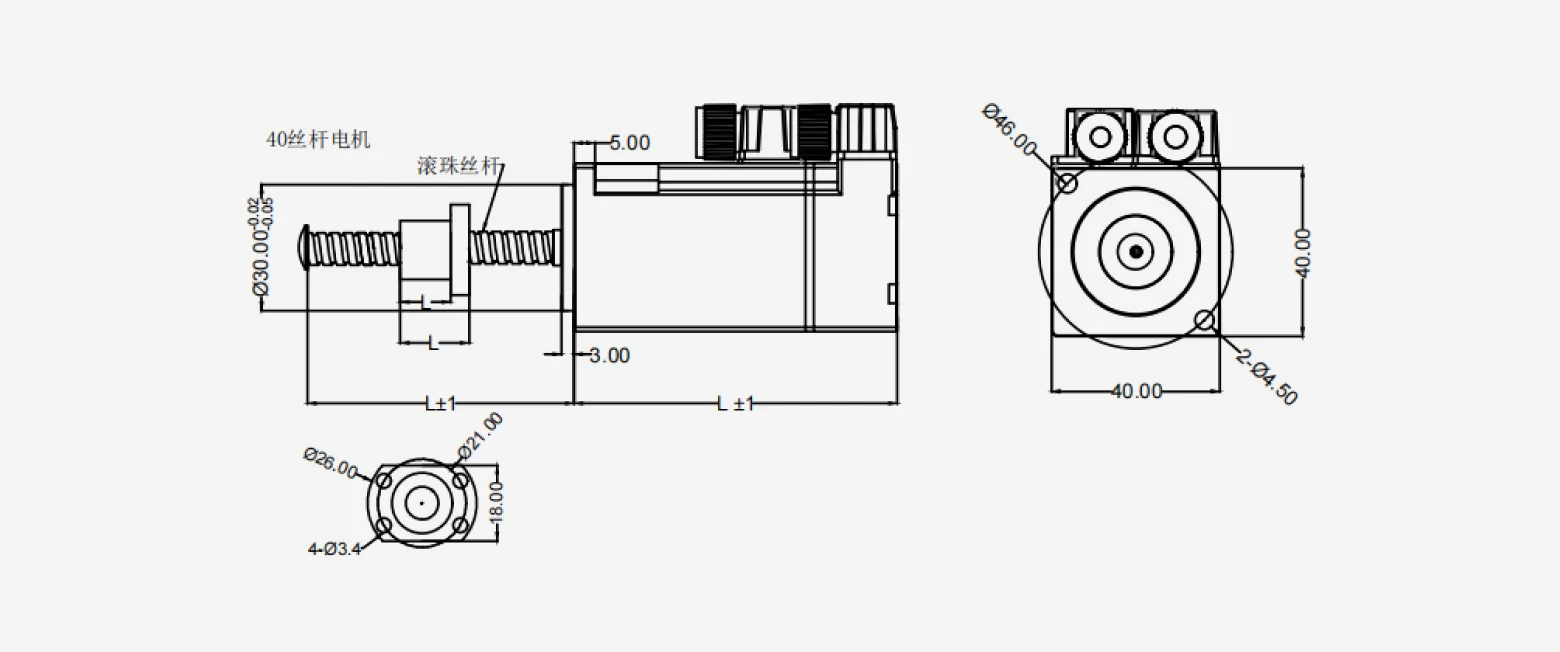
Flange Size40 / 60 / 80 mm
Motor TypePermanent Magnet AC Servo
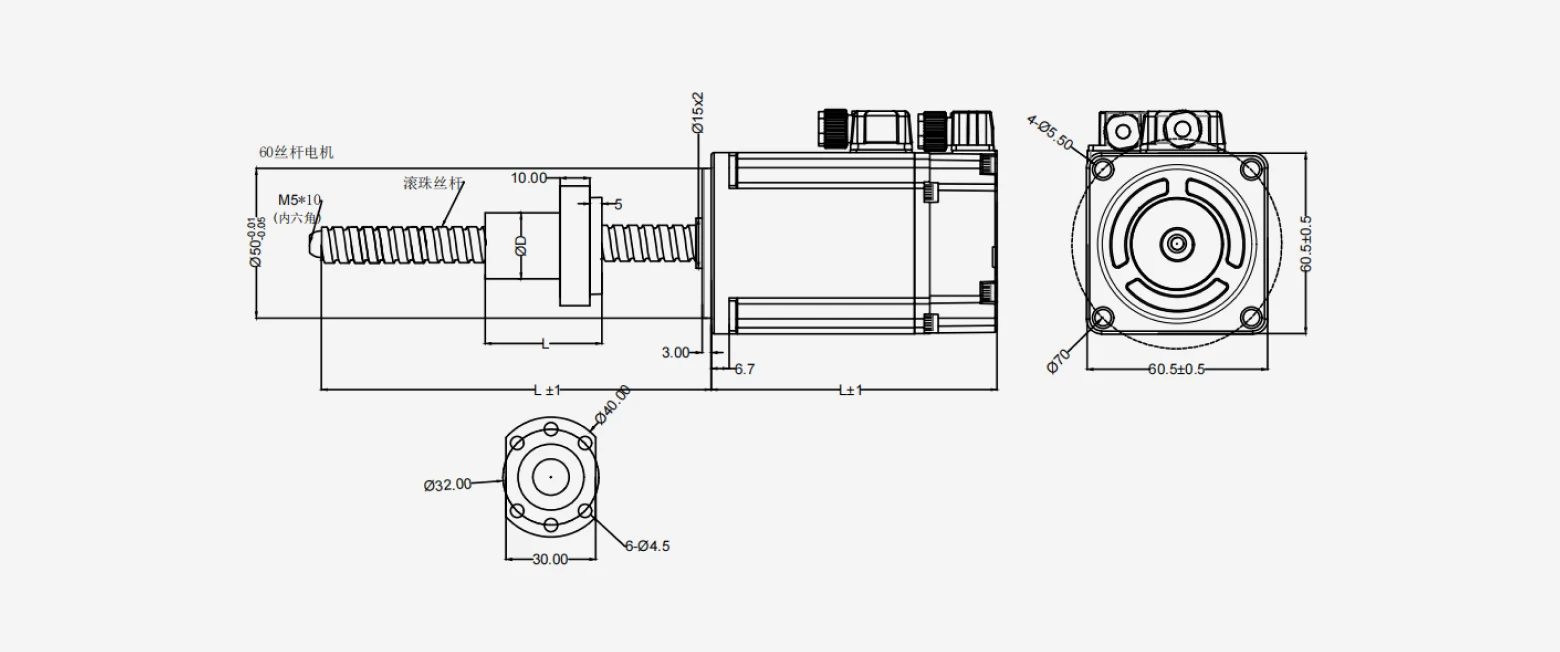
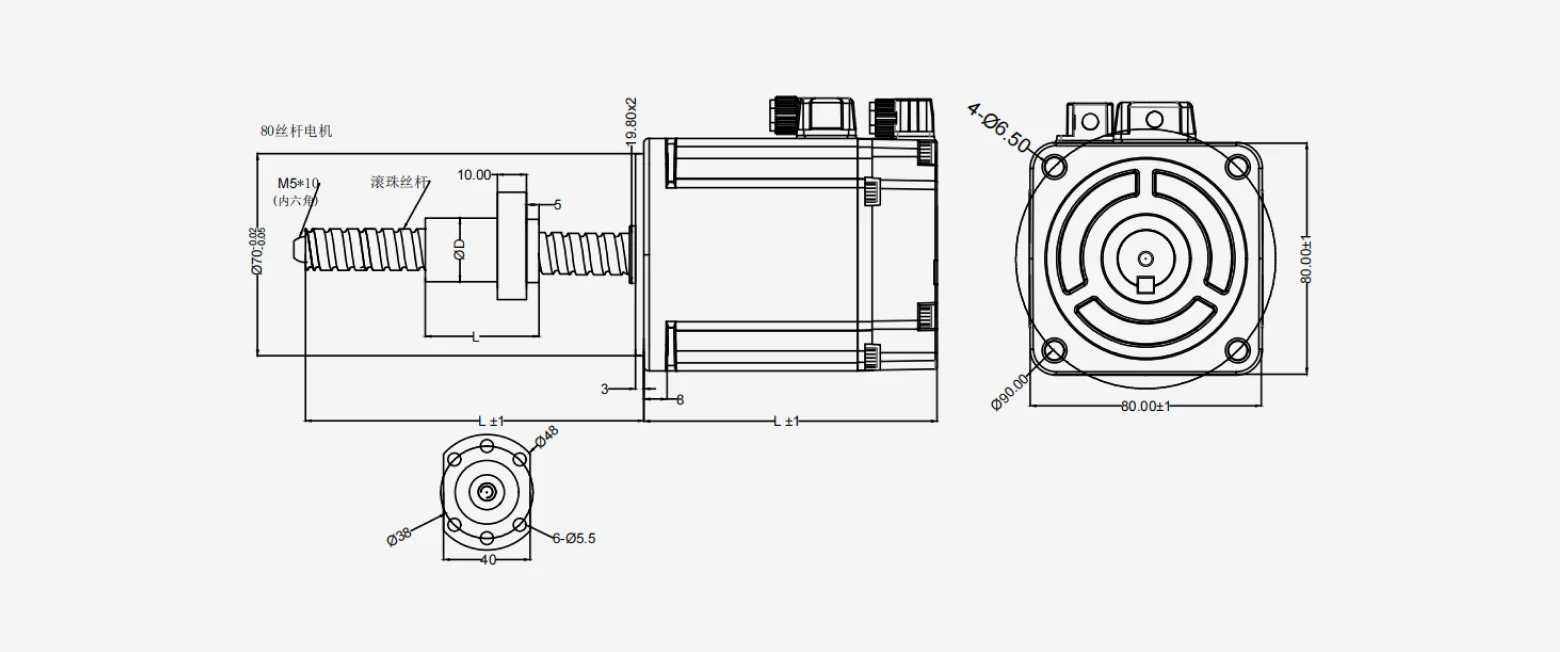
Output ShaftBall Screw or Lead Screw (to drawing)
Feedback17-bit Absolute Encoder (60 / 80 mm)
Supply Voltage220V AC
Rated Speed2000–3000 rpm
Insulation ClassClass F
ProtectionIP65
BrakeOptional (power-off)
CoolingNatural


introduction

ModelRated Power (kW)Rated Torque (N·m)Peak Torque (N·m)Rated Speed (rpm)Rated Current (A)Standard length (mm)Length with brake (mm)Insulation/ProtectionVoltage
40BSF-M010300.10.320.963000176.8111.8Class F / IP65220V
60BSF-S020300.20.641.9230001.783.5118.5Class F / IP65220V
60BSF-S040300.41.273.8130002.595.5130.5Class F / IP65220V
60BSF-S060300.61.915.7320003.5113.5148.5Class F / IP65220V
80BSF-S075300.752.397.1730004.4101.5139.5Class F / IP65220V
80BSF-S100301.03.29.630005.5113.5151.5Class F / IP65220V
80BSF-S100201.04.510.720004.4113.5151.5Class F / IP65220V

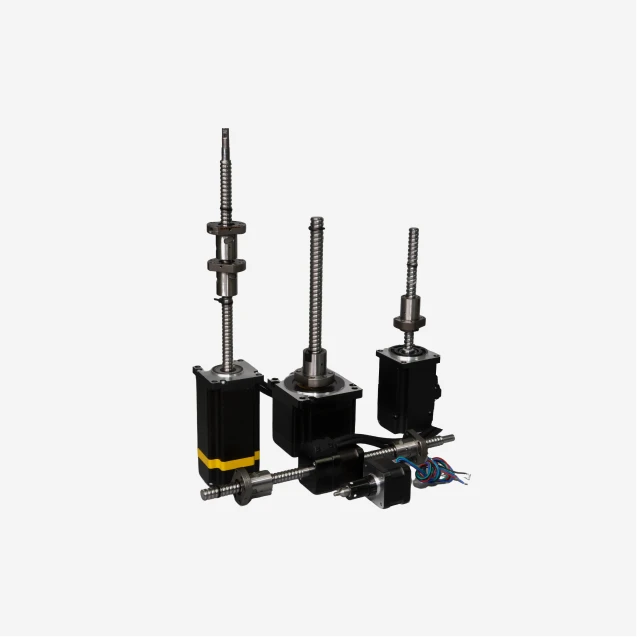
*These are representative models. Screw type, lead, stroke and nut style are configured to your drawing. We can manufacture products according to customer’s requirements.

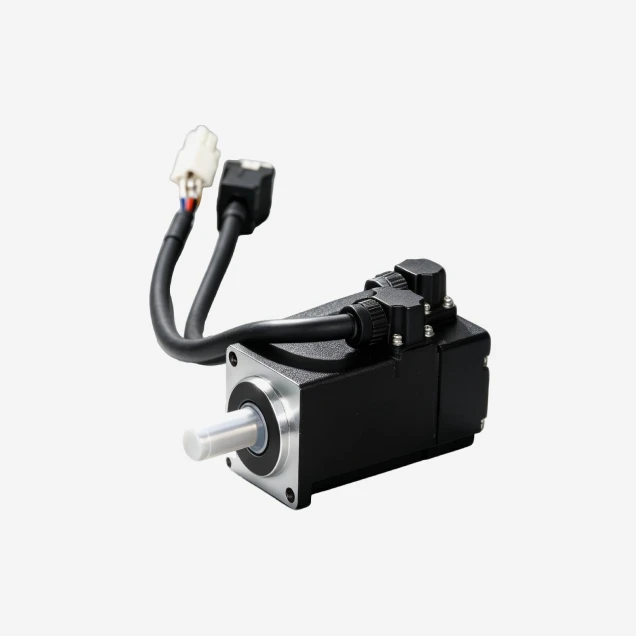
231_1x.webp

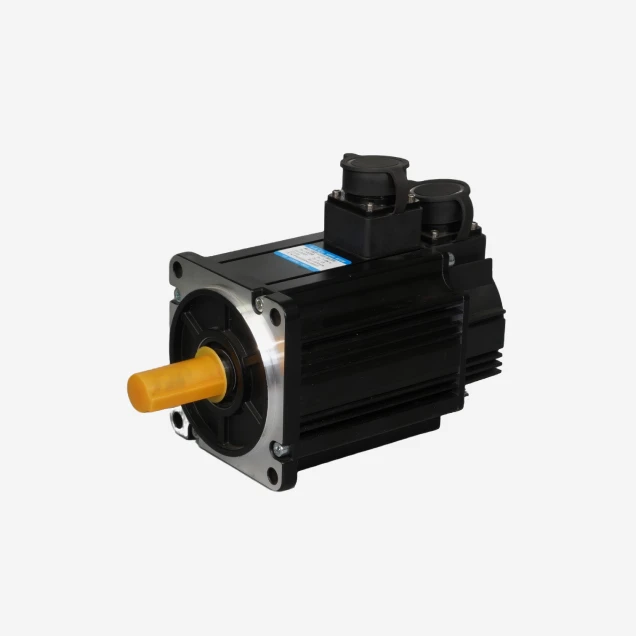
232_1x.webp

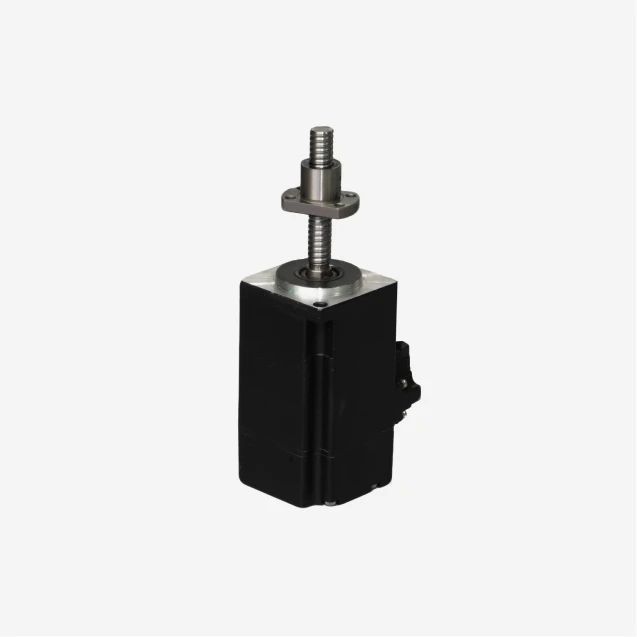
233_1x.webp

FAQs

What is a ball screw servo motor?

A ball screw servo motor is an AC servo motor with a ball screw built onto its output shaft, so the motor turns rotation directly into linear thrust. It runs closed-loop: an absolute encoder feeds rotor position back to the drive every cycle, so the screw moves to an exact position and holds it under load. Integrating the screw with the shaft keeps the unit short and removes the coupling and alignment a separate motor-and-screw setup needs. We build these on 40 mm, 60 mm and 80 mm AC servo frames, with the screw configured to your application.

How does a ball screw servo motor produce linear motion?

Inside the unit the servo rotor turns the screw, and a ball nut filled with recirculating ball bearings rides the thread and travels along it in a straight line. Rolling contact keeps friction low, so most of the motor torque reaches the load and the screw stays efficient and cool. The absolute encoder closes the loop, correcting current every cycle so position stays accurate at any speed. Thrust and linear speed depend on the screw lead you pick: a shorter lead gives more push and finer steps, a longer lead gives more speed.

Ball screw or lead screw — which should I choose?

Ball screws use recirculating balls, so they run at high efficiency, carry heavier axial loads and hold tight repeatability over a long life — the pick for CNC feed axes, high duty cycles and fast moves. Lead screws slide a plain nut on the thread, which adds friction but makes them self-locking, quieter and lower cost — a good fit for light, vertical or low-duty axes that hold position with power off. We build either type on the same servo frames, so it comes down to your load, speed, duty and budget. Tell us the application and we will recommend the screw and lead.

What frame sizes and power range do you offer?

The range covers 40 mm, 60 mm and 80 mm flange sizes from 100 W to 1 kW, all running at up to 3000 rpm on a 220V AC supply. Rated and peak torque for every model are in the specification table above. Larger frames and higher power are available on request when the axial load or stroke calls for it. If you are unsure which frame fits, send the load and travel and we will size it.

Do you supply the ball screw, or do I provide it?

Either way works. Many customers supply their own ball screw and nut, and we adapt the rotor shaft and bearings to match that screw and carry the axial load. We can also supply the complete unit with the screw, nut and end support built in, set to your lead and stroke. There is no fixed catalogue of screws, because the screw is matched to each application.

Does the motor come with a matched servo drive?

Yes. Each servo ships with a matched servo drive, sized and tuned to the motor as a tested set, so commutation, gain and inertia matching are set before delivery. The drive runs position, speed and torque modes, with pulse and direction or bus communication such as RS485, CANopen or EtherCAT depending on the model. You can also pair the motor with your own drive — ask us for the data you need.

What encoder is used, and does it keep position after power off?

The 60 mm and 80 mm frames carry a 17-bit absolute encoder, so the axis knows its position the moment power comes on and never needs a homing routine. That matters on screw axes, where re-homing a vertical or loaded screw after every power cycle wastes time and risks a crash. The encoder also closes the loop continuously, so the motor holds position under changing load where an open-loop stepper would lose steps. For lighter or cost-driven linear axes, a closed-loop stepper motor is a simpler alternative.

What do you need from me to quote a ball screw servo motor?

Send the axial thrust or load mass, the stroke or travel length, the linear speed you need and the duty cycle. Add the mounting orientation, the positioning accuracy you are targeting and the working environment. With that we size the motor frame, recommend the screw type and lead, and confirm whether a brake is needed for a vertical axis. The more detail you give, the closer the first proposal lands.

Ball Screw Servo Motors for Compact Linear Motion

A ball screw servo motor is an AC servo motor with a ball screw built onto the output shaft, so the motor turns its rotation straight into linear thrust. The servo runs closed-loop — an absolute encoder reports rotor position to the drive every cycle — so the screw drives to an exact position and holds it under load. Building the screw onto the shaft keeps the unit short and removes the coupling and alignment a separate motor-and-screw build needs. We make these on 40 mm, 60 mm and 80 mm servo motor frames, from 100 W to 1 kW, with the screw matched to your axial load, stroke and speed.


How a Ball Screw Servo Motor Works

The servo rotor turns the screw shaft, and a ball nut packed with recirculating ball bearings rides the thread and travels along it in a straight line. Rolling contact keeps friction low, so most of the motor torque reaches the load and the screw runs efficiently with little heat. Thrust and linear speed come from the screw lead: a short lead multiplies force and gives finer resolution, a long lead trades force for speed. Because the loop is closed on an absolute encoder, the axis corrects position continuously and keeps accuracy across the speed range.


Ball Screw or Lead Screw — Which to Specify

Both screw types mount on the same servo frames. The pick comes down to load, speed, duty cycle and whether the axis has to hold position with power off.

FeatureBall ScrewLead Screw
Friction & efficiencyRecirculating balls, high efficiencySliding nut, lower efficiency
Axial load & speedHeavier loads, higher speedLight to medium load, lower speed
Repeatability & lifeTight repeatability, long lifeModerate, shorter life
Holding with power offBack-drives, needs a brake on vertical axesSelf-locking, holds position
NoiseHigherQuieter
Relative costHigherLower
Best forCNC feed axes, high duty, fast movesLight, vertical or low-duty axes

Run hard, move fast or need micron-level repeatability — go ball screw. Light, vertical, intermittent or cost-driven — a lead screw is the simpler choice.


Sizing the Motor to Your Screw and Load

Matching the servo to the screw and load is what keeps the axis stable and the motor cool. Work through these before locking a frame:

  • Continuous torque has to clear friction torque plus average load torque, or the motor overheats on long runs.
  • Peak torque has to cover acceleration — total inertia times your acceleration rate — plus any load spike at startup.
  • Keep reflected load inertia within about ten times the rotor inertia; a lower ratio gives faster, steadier response.
  • Confirm the motor’s top speed clears the screw rpm your linear speed and lead demand.
  • Check the screw’s critical speed — long, thin screws whip at speed, so root diameter, support length and end fixity matter.

Send us the numbers and we size the frame and recommend the lead, so the motor and screw work as a matched set instead of a guess.


Typical Applications

Ball screw servo motors fit axes that need controlled thrust and accurate positioning in a short body:

  • CNC feed axes and machine-tool slides — repeatable positioning under cutting load.
  • Electric cylinders and servo presses replacing pneumatics — controlled force and position.
  • Pick-and-place and gantry Z-axes — fast, repeatable vertical moves.
  • Precision dispensing, dosing and metering — exact thrust at low speed.
  • Semiconductor, packaging and assembly stages — clean, quiet, repeatable motion.
  • Test and measurement rigs — accurate, programmable travel.


Integrated Screw or a Servo Coupled to Your Screw

An integrated screw servo carries the screw on the motor shaft, which shortens the package, cuts part count and removes the coupling that can misalign and rob a coupled build of rigidity and accuracy. A servo coupled to a separate screw is easier to service and lets you swap the screw without touching the motor, at the cost of length and an alignment step. We build it either way: an integrated unit when space and rigidity drive the design, or a standard servo with a matched servo drive when you are driving a screw you already have.


What We Need to Quote

To match a motor and screw to your axis, send the axial thrust or moving mass, the stroke, the linear speed and the duty cycle. Add the mounting orientation, the positioning accuracy you are targeting and the working environment. From there we set the frame size, recommend ball or lead screw and the lead, and confirm whether a power-off brake is needed for a vertical axis. For lighter or cost-driven linear axes, a closed-loop stepper motor can also do the job, and we will say so when it is the better fit.


Related Products

info@cymotorix.com

sales@cymotorix.com

+86 13028840704

WeChat QR Code

Scan to add WeChat